
An SIC code does not automatically require an industrial stormwater permit. Permit duty depends on whether your facility conducts a listed primary industrial activity, stormwater contacts industrial materials outdoors, that stormwater discharges to surface water or a storm sewer, and whether EPA or your state is the permitting authority.
Pro SWPPP prepares stormwater plans for contractors nationwide.
Not sure whether your project needs a SWPPP? Take the SWPPP quiz.
How does my SIC code relate to industrial SWPPP permit requirements?
Your facility's SIC code places it within one of 29 industrial sectors that may be subject to stormwater permitting, but the code alone does not create permit duty. The applicable permit—whether EPA's Multi-Sector General Permit or a state-issued industrial stormwater permit—lists specific SIC and NAICS codes within each sector to help identify covered activities.
EPA's 2021 MSGP organizes regulated industries into Sectors A through AC, plus Sector AD for facilities EPA specifically designates. Each sector appendix identifies the primary industrial activities and corresponding SIC codes that fall within that sector. For example, Sector C covers chemical manufacturing facilities with certain SIC codes, while Sector AB covers transportation equipment and machinery manufacturing with different codes.
The permit applies only when your facility conducts a listed primary industrial activity and stormwater associated with that activity discharges to a surface water or a storm sewer that conveys it to surface water. A facility may have the correct SIC code but still not require a permit if all industrial materials and activities are sheltered from precipitation or if no discharge pathway exists.
You can review the complete list of SIC and NAICS codes by sector in Appendix N of the 2021 MSGP permit document.

Where does EPA's Multi-Sector General Permit apply for industrial SWPPP coverage?
EPA's 2021 MSGP applies only in areas where EPA is the NPDES permitting authority, not nationwide. These areas include Puerto Rico, most U.S. territories other than the Virgin Islands, federally operated facilities in Colorado, Delaware, Vermont, and Washington, most Indian country lands, and certain designated activities in other states.
In states with authorized NPDES programs, the state issues industrial stormwater permits and defines its own coverage requirements, sector definitions, SIC applicability, exclusions, and deadlines. Arizona, California, Hawaii, and Nevada are examples of states with delegated stormwater permitting authority for non-Indian lands, while EPA retains authority for Indian lands within those states.
Your facility location determines which permit applies. If you operate in a state-administered program area, you must check the state's industrial stormwater general permit to confirm whether your SIC code and activities trigger coverage under that state's rules. State permits may use different sector groupings, add or remove SIC codes, or apply different discharge and exposure criteria than EPA's federal permit.
See the SWPPP plan request form.
What other factors determine if my SIC code requires an industrial SWPPP?
Beyond your SIC code, permit applicability depends on whether you conduct a primary industrial activity listed in the permit, whether stormwater contacts industrial materials or activities outdoors, and whether that stormwater discharges to a regulated receiving water. All three conditions must be present for permit coverage to apply.
The permit covers facilities where the primary activity falls within one of the listed sectors. Co-located industrial activities at the same facility may also trigger coverage even if they are not the facility's main business. The sector description and activity list—not your general business label—controls the analysis.
Stormwater must come into contact with industrial materials, equipment, waste, byproducts, or activities for the discharge to be regulated. Facilities that store all materials indoors or under complete cover may qualify for a no-exposure certification, which exempts them from permit coverage if they meet all certification requirements.
The stormwater must discharge to a surface water of the United States or to a municipal separate storm sewer system that conveys it to surface water. Facilities that discharge only to a sanitary sewer, to groundwater, or that retain all stormwater on-site without discharge typically do not require an industrial stormwater permit.
Can my facility avoid an industrial SWPPP with a no-exposure certification?
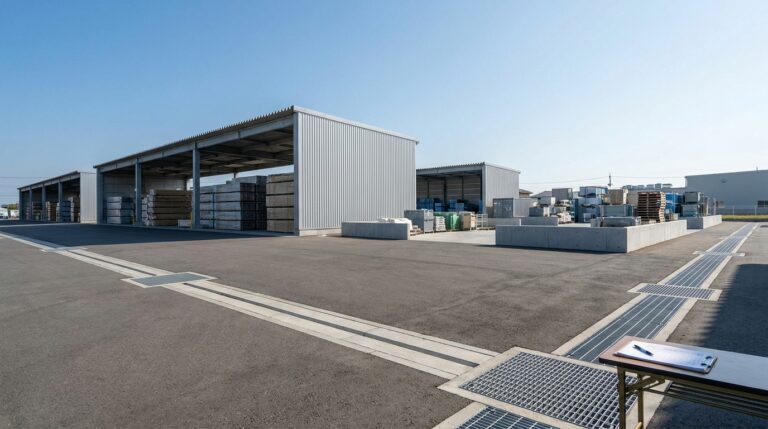
A facility that would otherwise require an industrial stormwater permit may qualify for a no-exposure certification if it prevents exposure of all relevant industrial materials and activities to precipitation. This certification is not a universal exemption and must meet the specific requirements of the applicable EPA or state permit program.
Under EPA's program, a no-exposure certification requires that all industrial materials, equipment, activities, and waste are protected by a roof, awning, or other structure that prevents contact with stormwater. Allowable outdoor activities are limited to a narrow list that typically includes vehicle tracking of sediment, landscape watering, and pavement washing, provided these activities do not expose industrial materials.
The certification must be submitted to the permitting authority and renewed periodically. If conditions change and exposure occurs, the facility must obtain permit coverage. State programs may define no-exposure conditions differently, require different certification forms, or impose additional restrictions.
Request a project-specific SWPPP estimate.
How do I determine which industrial sector and SIC codes apply to my SWPPP?
Start by identifying your facility's primary industrial activity—the principal product or service that generates the most revenue or occupies the most space. Match that activity to the sector descriptions in the applicable permit, then confirm that your SIC or NAICS code appears in that sector's appendix.
If your facility conducts multiple industrial activities, you may need to evaluate co-located activities separately. A facility with a primary activity in one sector and a secondary activity in another may be subject to requirements from both sectors. The permit's sector appendices describe which activities and codes fall within each category.
Do not rely solely on your company's general business classification or the SIC code assigned for tax or registration purposes. The permit's sector definitions and activity descriptions control permit applicability. If your facility's activities do not clearly fit a listed sector, or if you are uncertain whether a co-located activity triggers additional requirements, consult the permitting authority or a qualified stormwater professional.
What else should industrial facility operators know about SIC codes and SWPPP permits?
Does every facility with a regulated SIC code need an industrial SWPPP?
No. A facility with a regulated SIC code needs a permit only if it conducts the listed primary industrial activity, stormwater contacts industrial materials or activities outdoors, and that stormwater discharges to surface water or an MS4. Facilities that meet all no-exposure certification requirements or that have no discharge pathway are not required to obtain permit coverage.
Can my facility's SIC code change my industrial SWPPP requirements?
Yes, if your facility's primary industrial activity changes, your SIC code and applicable permit sector may also change. A change in sector may trigger different monitoring, sampling, or best management practice requirements. You must notify the permitting authority of significant changes in industrial activity and update your SWPPP accordingly.
What is the difference between EPA's MSGP and a state industrial SWPPP permit?
EPA's MSGP applies only where EPA is the NPDES permitting authority, while state permits apply in states with authorized NPDES programs. State permits may define sectors, SIC applicability, discharge criteria, monitoring requirements, and deadlines differently than the federal permit. You must comply with the permit issued by the authority that has jurisdiction over your facility's location.
How do I know if my facility is in an EPA or state industrial SWPPP permit area?
Check EPA's list of NPDES permitting authorities or contact your state environmental agency. In most states, the state issues industrial stormwater permits for non-federal, non-Indian facilities. EPA retains permitting authority in certain territories, on most Indian lands, and for specific federal facilities in a few states.
What happens if I operate facilities in multiple states with different SIC code SWPPP requirements?
Each facility must comply with the permit program that applies to its location. A company with facilities in multiple states may need to obtain separate permits, prepare site-specific SWPPPs, and meet different sector, monitoring, and reporting requirements for each location.
Discuss the SWPPP scope for your project.
By Derek E. Chinners, CPESC — Founder & Stormwater Consultant, Pro SWPPP, LLC