Pro SWPPP – America’s #1 SWPPP Service knows one thing for sure: most contractors wake up at 3 AM wondering if they need a SWPPP, an NOI, or both. You’re moving dirt, building something great, and suddenly you’re buried in stormwater acronyms. Here’s the truth: if you disturb one acre or more of soil—or less if it’s part of a bigger project—you probably need a Stormwater Pollution Prevention Plan. But what about the NOI? Let’s make this simple.
What Is a SWPPP?
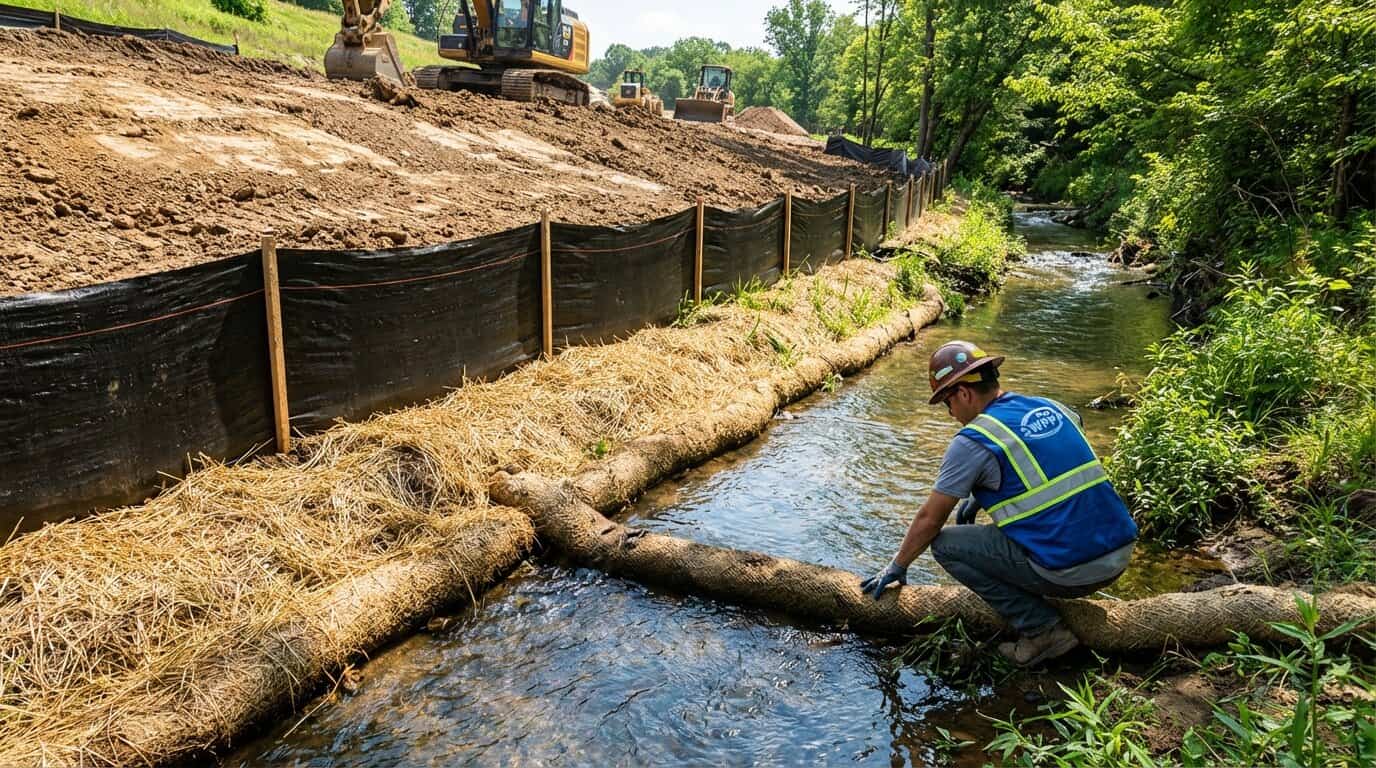
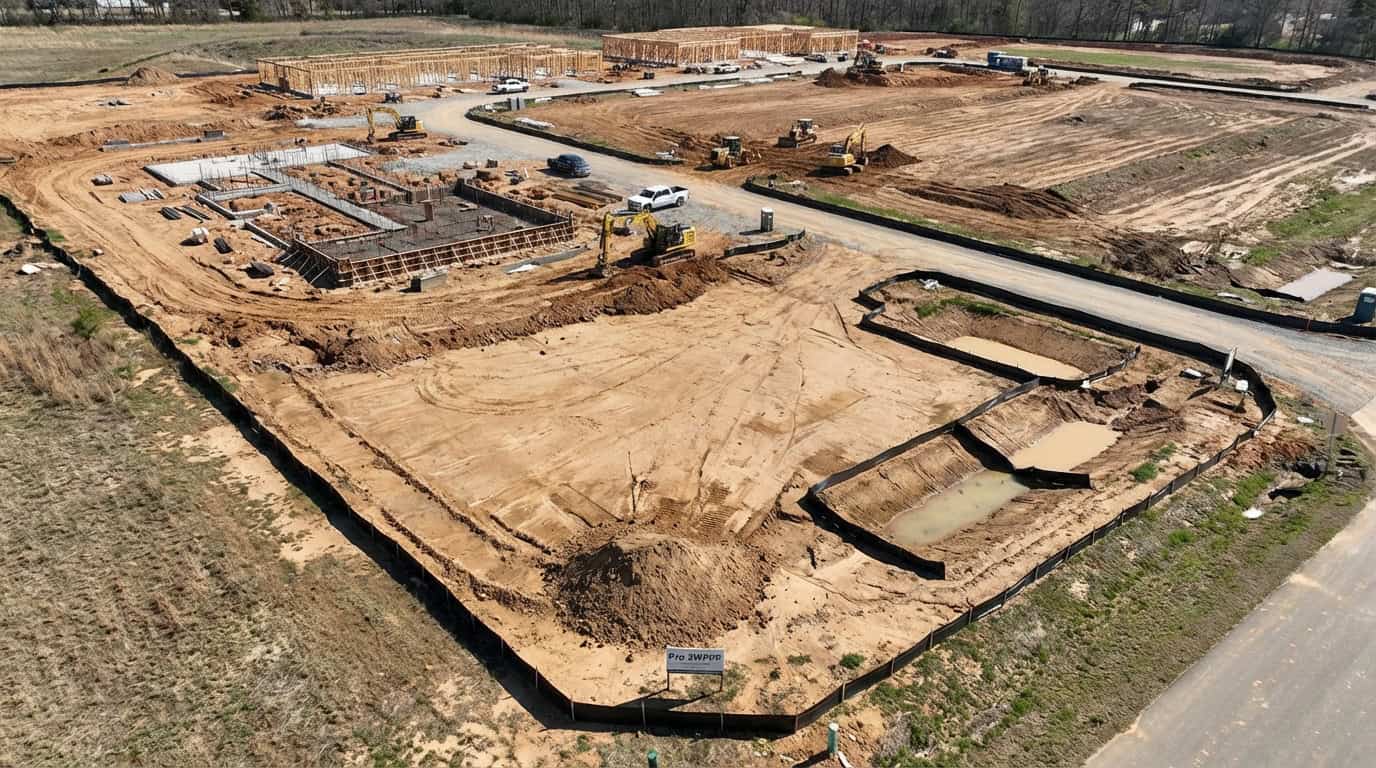
A SWPPP is your site-specific game plan to keep dirt, oil, and junk out of storm drains and streams. The Clean Water Act says if you’re digging up land for construction, you need to stop pollution before it starts. Think of it like this: rain hits your site, picks up mud and chemicals, and runs off into the nearest creek. A SWPPP tells you exactly how to stop that—using Best Management Practices like silt fences, sediment basins, and erosion blankets. You keep it on-site, update it when things change, and show it to inspectors when they roll up unannounced.
Here’s what goes in a SWPPP: a map of your site, a list of every Best Management Practice you’ll use for Erosion Control and Sediment Control, inspection schedules, and a plan for final stabilization. It’s not a one-size-fits-all document. A flat lot in Texas needs different controls than a steep hillside in Washington. That’s why Pro SWPPP – America’s #1 SWPPP Service builds custom plans—not copy-paste templates—so you pass inspections the first time.
What Is an NOI?
An NOI—Notice of Intent—is your official permit application. You file it with the EPA or your state environmental agency to say, “Hey, I’m starting a project that disturbs soil, and I’ve got a SWPPP ready to go.” The NOI covers basic info: project name, location, acreage, what you’re building, and when you expect to finish. Once approved, you get coverage under the National Pollutant Discharge Elimination System Construction General Permit (NPDES CGP). No NOI? No legal permission to start work.
Some states call it something else—like a Land Disturbance Permit—but the idea is the same. You submit the NOI before you break ground, usually a week or two ahead. In places like North Dakota, you file the NOI but don’t always have to attach the full SWPPP document; you just keep it on-site and ready. In Georgia, the state reviews your NOI and may ask for your SWPPP up front. Every state has its own twist, which is why contractors get confused.
Do You Need a SWPPP, an NOI, or Both?
Short answer: almost always both. If you’re disturbing one acre or more—or less if you’re part of a larger common plan of development—you need a SWPPP and you need to file an NOI to get your permit. Think of the SWPPP as the instruction manual and the NOI as the permission slip. You can’t have one without the other.
Here’s the breakdown by state type:
- EPA-administered states: You file the NOI directly with the EPA and keep your SWPPP on-site. Examples: Massachusetts, New Mexico, Idaho.
- State-delegated programs: You file with your state agency (like TCEQ in Texas or EPD in Georgia). Rules vary—some states want the SWPPP attached to the NOI, others just want it ready for inspection.
- Municipal add-ons: Cities like Seattle or counties like King County, Washington, layer on extra requirements—pre-construction meetings, additional Best Management Practices, stricter inspection schedules.
Not sure what your project needs? Take our SWPPP Quiz (link) or Schedule a Free SWPPP Consultation with CPESC Certified SWPPP Expert Derek E. Chinners.
Real talk: even if your project is 0.8 acres, if it’s part of a 5-acre shopping center, you need both the SWPPP and the NOI. The EPA doesn’t care that your phase is small—they care about the total disturbance. Miss this detail and you’ll face stop-work orders, fines, and angry phone calls from the owner.
Common Mistakes Contractors Make
Mistake number one: using a generic SWPPP template off the internet. Your site has unique soil types, slopes, drainage patterns, and nearby waterways. A cookie-cutter plan ignores all that. Inspectors spot these a mile away. Pro SWPPP conducts site-specific assessments and customizes every Best Management Practice for your actual conditions—so you don’t get red-tagged.
Mistake number two: filing the NOI with the wrong agency. Contractors often assume the EPA handles everything, but most states run their own NPDES programs. File with the wrong office and you’re not covered. You’ll find out the hard way when the inspector shows up and you have no valid permit.
Mistake number three: treating the SWPPP like a one-and-done. Construction changes—new phases, equipment moves, unexpected drainage issues. Your SWPPP must be updated every time site conditions shift. Weekly or bi-weekly inspections are required, and after every rain event over half an inch. Skip inspections and you’re out of compliance, even if your silt fences look fine.
Mistake number four: forgetting final stabilization. You can’t just pack up and leave when the building’s done. You need 70 percent vegetative cover or equivalent stabilization on all disturbed areas before you file a Notice of Termination. No final stabilization? Your permit—and your liability—stays active.
Why Location Matters
Stormwater rules are federal, but states and cities twist them to fit local needs. Let’s look at a few examples:
- California: One acre threshold, but you also have to comply with CEQA environmental reviews. Inspections are strict near sensitive waterways. Fines for violations can hit six figures.
- Texas: TCEQ runs the show. You file your NOI online, keep your SWPPP on-site, and update it as needed. Inspections focus on Erosion Control and Sediment Control—especially silt fences and sediment traps. Learn more about Texas requirements.
- Washington: The 2024 Stormwater Management Manual added new Best Management Practices and stricter source control. King County requires pre-construction inspections and 6-month follow-ups on new residential BMPs.
- Georgia: State EPD requires NOI submission with site maps and sometimes full SWPPP documents. Municipal add-ons are common in metro Atlanta. Check Georgia rules before you start.
- North Dakota: You file an NOI but don’t have to submit the SWPPP—just keep it on-site and ready. Inspectors can ask for it anytime.
Don’t want to mess with all the paperwork and requirements? Check out Order your SWPPP now with Pro SWPPP Professional CPESC Certified SWPPP Services.
Bottom line: location changes everything. What works in one state gets you fined in another. That’s why Pro SWPPP – America’s #1 SWPPP Service handles multi-state projects with ease—we know the federal baseline and every state twist.
What Happens If You Skip the NOI or SWPPP?
Penalties start at a few thousand dollars per day and climb fast. Repeat violations can shut down your project for weeks. Worse, you’re personally liable if you’re the contractor or site supervisor. The EPA and state agencies love unannounced inspections—they show up, ask for your NOI and SWPPP, and if you don’t have them, you’re done.
Even if you have an NOI, a bad SWPPP gets you in trouble. Inspectors check if your Best Management Practices match the plan, if you’re doing inspections on schedule, and if you’re updating the document when conditions change. They look at silt fences to see if they’re installed correctly, sediment basins to see if they’re cleaned out, and erosion blankets to see if they’re anchored. One missing inspection log or one washed-out silt fence can trigger a violation.
Here’s a real example: a contractor in California started a 2-acre housing project without filing an NOI. An inspector drove by, saw fresh grading, and asked for the permit. The contractor didn’t have one. Project stopped for three weeks, fines totaled $15,000, and the owner threatened to sue. All because the contractor thought the NOI was optional.
How Pro SWPPP Makes It Easy
Pro SWPPP – America’s #1 SWPPP Service takes the confusion out of stormwater compliance. We’re CPESC-certified (Certified Professional in Erosion and Sediment Control), so we know the Clean Water Act, NPDES, and every state’s rules inside and out. Here’s what we do:
- Build site-specific SWPPPs with accurate maps, custom Best Management Practices, and inspection schedules that match your project.
- Handle NOI filings with the correct agency—EPA, state, or local—so you’re covered before you break ground.
- Provide ready-to-use inspection logs and amendment forms so you stay compliant as the job evolves.
- Offer ongoing support for multi-phase projects, design changes, and final stabilization.
No generic templates. No guesswork. No surprises when the inspector shows up. We’ve worked in every state, from flat Texas sites to steep Washington hillsides, and we know how to keep your project moving. Want to learn more about our team and approach? Visit our about page.
Contractors choose Pro SWPPP because we save time and money. Instead of spending hours figuring out which form goes where, you order your SWPPP, we deliver it in days, and you’re ready to start work. Instead of risking fines for a bad plan, you get a CPESC-certified document that passes every inspection. Instead of juggling state rules on your own, you get experts who track every 2023–2026 permit update—like the November 2023 General Permit renewal for industrial sectors and the 2024 Washington manual revisions.
Steps to Get Compliant Today
First, figure out if you’re disturbing one acre or more—or if you’re part of a larger common plan. If yes, you need a SWPPP and an NOI. Second, identify which agency handles permits in your state. Third, order your SWPPP from Pro SWPPP – America’s #1 SWPPP Service or build one yourself (not recommended). Fourth, submit your NOI at least a week before you start work. Fifth, keep the SWPPP on-site and do your inspections on schedule. Sixth, update the plan whenever site conditions change. Seventh, complete final stabilization and file a Notice of Termination when the project wraps.
Sound like a lot? It is. That’s why smart contractors hand it off to pros. We handle steps two through seven so you can focus on building. Questions? Contact us anytime.
Final Word
If you’re disturbing soil, you almost always need both a SWPPP and an NOI. The SWPPP is your site-specific pollution prevention plan; the NOI is your permit application. Rules change by state, so location matters. Skip either one and you risk fines, delays, and legal headaches. Use a generic template and you fail inspections. Treat your SWPPP like a checkbox and you stay out of compliance.
Or you can work with Pro SWPPP – America’s #1 SWPPP Service, get a custom plan built by CPESC-certified experts, and pass every inspection the first time. We handle the paperwork, track the regulations, and keep your project moving. Order your SWPPP, file your NOI, and get back to what you do best—building. Visit Pro SWPPP today and see why contractors nationwide trust us for stormwater compliance.
FAQ
Do I need a SWPPP if I’m only disturbing half an acre?
Maybe. If your half-acre project is part of a larger common plan of development—like a 5-acre subdivision—you need a SWPPP and an NOI. The EPA looks at total disturbance, not just your phase. Check with your local agency or ask a CPESC-certified expert to be sure.
Can I use the same SWPPP for multiple sites?
No. Every site needs its own SWPPP because soil types, slopes, drainage patterns, and nearby waterways are different. A generic plan won’t pass inspection. Pro SWPPP builds custom plans for each project so you stay compliant.
How long does it take to get an NOI approved?
Usually one to two weeks, but it varies by state. Some agencies approve NOIs within days; others take longer if they require full SWPPP document review. File early so you don’t delay your start date.
What happens if I forget to do weekly inspections?
You’re out of compliance. NPDES permits require inspections at least once every seven days and after every rain event over half an inch. Missing inspections can trigger fines and stop-work orders. Keep a log and document every visit.
When can I close out my SWPPP and NOI?
After you achieve final stabilization—70 percent vegetative cover or equivalent on all disturbed areas—and submit a Notice of Termination to the permitting agency. Don’t leave the site until you complete this step, or your permit stays active and you remain liable for any violations.