You’re about to break ground on a construction project. You’ve got crews lined up, equipment ready, and timelines locked in. Then someone mentions a Notice of Intent and a SWPPP, and suddenly you’re drowning in acronyms and paperwork. Here’s the truth: Pro SWPPP – America’s #1 SWPPP Service helps builders and contractors across the country stay compliant without the headache. Let’s cut through the confusion and get you exactly what you need to know about Notice of Intent requirements for 2026.
What Is a Notice of Intent for Construction Activities?
A Notice of Intent (NOI) is your official heads-up to environmental regulators that you’re about to start construction and plan to discharge stormwater from your site. Think of it as your permission slip to move dirt and manage runoff legally under the Clean Water Act.
When you submit an NOI, you’re telling the EPA or your state agency that you meet the requirements for coverage under the National Pollutant Discharge Elimination System (NPDES) permits. You’re basically saying: “Hey, we’re starting construction, we know the rules, and we’re going to follow them.”
The NOI is not the same thing as a SWPPP (Stormwater Pollution Prevention Plan). The SWPPP is your detailed playbook for controlling erosion and managing stormwater on your site. The NOI is the form you file to get permission to operate under that plan. You need both, but they serve different purposes.
When Do You Need to File a Notice of Intent?
The basic rule is simple: if you’re disturbing one acre or more of land, you need NOI coverage. Period. This applies to construction sites across the United States under the Construction General Permit (CGP).
But here’s where it gets tricky. Even if your specific piece of dirt is less than one acre, you still need an NOI if your project is part of a larger common plan of development or sale. That means if you’re building one lot in a 50-lot subdivision, you need coverage even though your individual lot might only be half an acre.
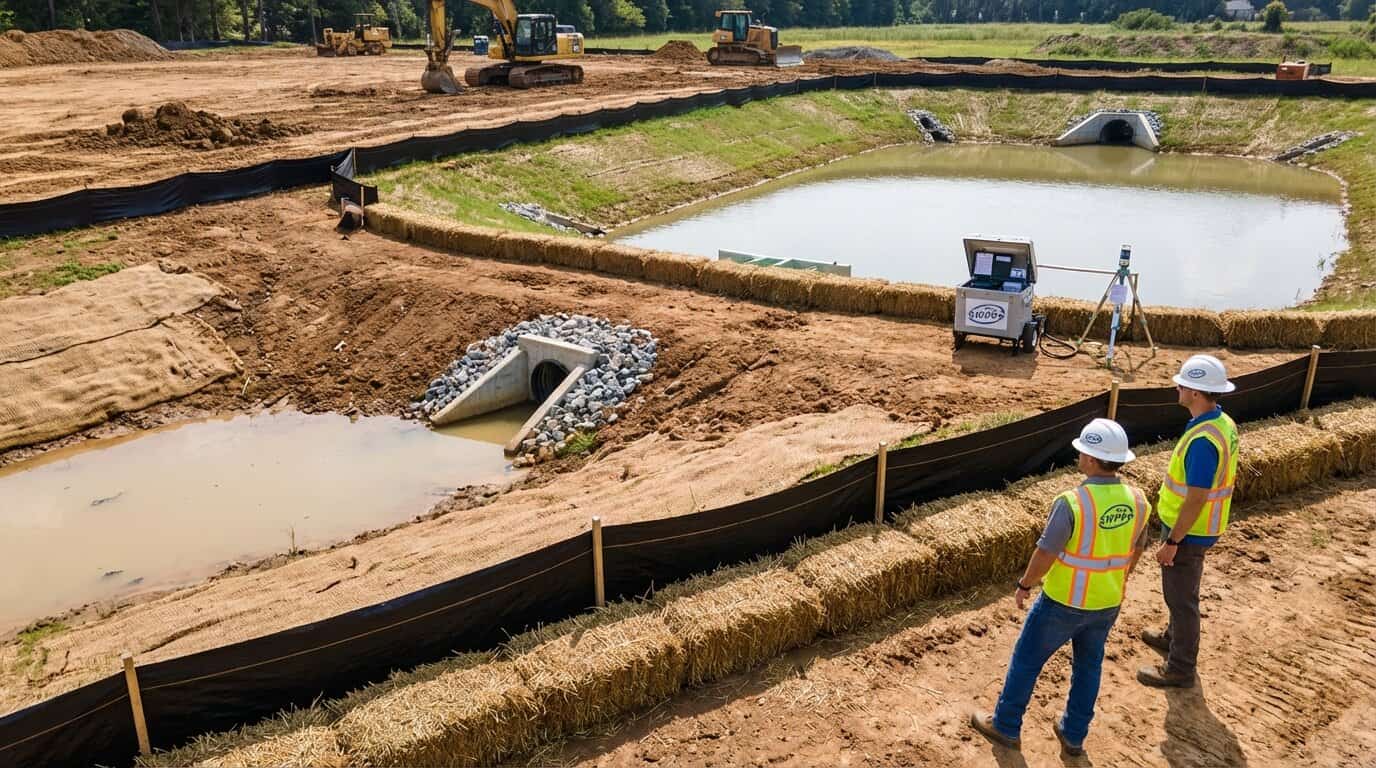
The 2026 regulations make it clear what counts as construction activity. It’s not just digging holes and pouring concrete. Clearing, grading, excavation, equipment staging areas, material storage, haul roads, portable rock crushers – all of it counts. If you’re moving soil or creating areas where rain can wash pollutants into waterways, you’re covered under these rules.
The Timing Is Everything
Here’s where most people mess up: you must submit your NOI before you start construction. Not during. Not after. Before.
The sequence goes like this: develop your SWPPP, get it approved by the right agency, submit your NOI, wait for approval, then start construction. Skip a step or do them out of order, and you’re operating illegally from day one.
In Texas, TCEQ requires you to submit your NOI at least seven days before you break ground. Other states have similar waiting periods. Don’t assume you can file and start the same day.
Don’t want to mess with all the paperwork and requirements? Check out Order your SWPPP now with Pro SWPPP Professional CPESC Certified SWPPP Services.
What Information Goes in Your NOI?
The 2026 NOI requirements are more detailed than ever. You’ll need to provide:
- Project location with latitude and longitude in decimal degrees
- Estimated area of land disturbance to the nearest quarter acre
- Brief project overview describing what you’re building
- Operator information and ownership details
- Disclosure of any known soil or groundwater contamination
- Information about pending enforcement actions related to stormwater violations
That contamination disclosure is new for 2026. If your site has known contamination issues or a history of environmental problems, you have to report it upfront. This helps regulators understand potential risks and may trigger special requirements for your project.
Co-Permittees and Shared Control
Construction sites often have multiple operators – the developer, the general contractor, subcontractors with their own areas of control. When multiple parties share operational control of a site, everyone with meaningful control over construction activities or stormwater management needs to be a co-permittee.
The primary operator files the main NOI. Then each additional operator with shared control files a co-permittee form. This ensures everyone is legally responsible for compliance and can’t point fingers when inspectors show up.
State-by-State Differences You Need to Know
While federal rules set the baseline, states run their own NPDES programs with their own twists. Pro SWPPP – America’s #1 SWPPP Service knows every state’s requirements and keeps you compliant no matter where you build.
In Georgia, the Environmental Protection Division handles NOI submissions and has specific forms and procedures. Texas splits requirements by project size – large projects over five acres need full SWPPPs and NOIs, while smaller projects between one and five acres can use simplified Small Construction Site Notices.
South Carolina requires you to notify regional stormwater staff one week before you disturb land and mandates a pre-construction conference. Delaware requires electronic submission through their dedicated NOI system and won’t let you start until you receive formal approval notification.
These differences matter. File the wrong form or miss a state-specific deadline, and you’re looking at stop-work orders, fines, and project delays.
Best Management Practices and Erosion Control
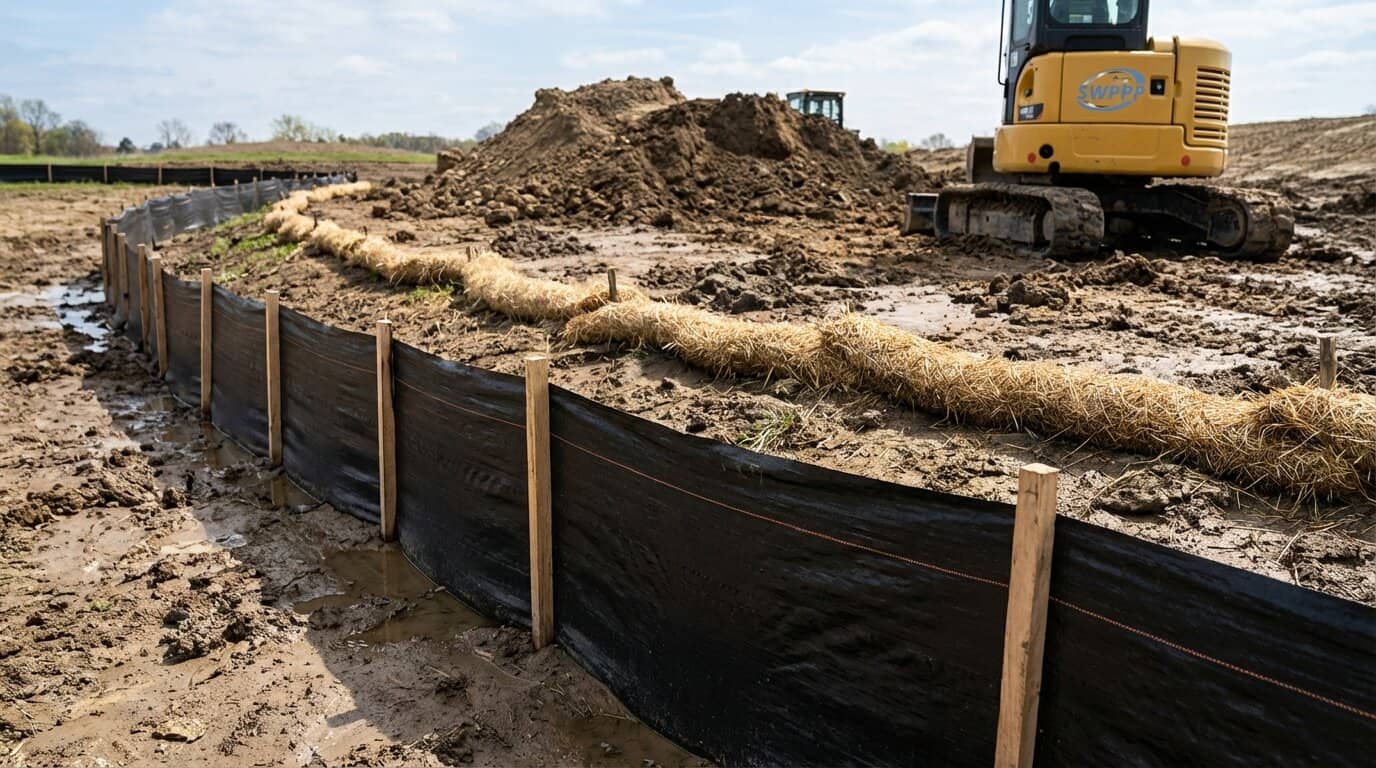
Your NOI gets you permission to discharge stormwater, but your SWPPP and Best Management Practices (BMPs) are what actually keep you compliant on-site. Erosion Control and Sediment Control measures work together to stop soil from leaving your property and polluting waterways.
Erosion Control prevents soil from moving in the first place – think temporary seeding, mulch, erosion control blankets, and slope protection. Sediment Control catches soil that does move before it leaves your site – silt fences, sediment basins, inlet protection, and construction entrances.
The NOI and SWPPP are your compliance paperwork. BMPs are your boots-on-the-ground tools that make compliance happen. Pro SWPPP – America’s #1 SWPPP Service designs site-specific BMP plans that actually work for your conditions and budget.
Electronic Submission Is Now Standard
Paper NOIs are basically extinct. Every major state now requires electronic submission through online portals. This speeds up processing and makes tracking easier for both you and regulators.
For projects covered under the EPA’s Multi-Sector General Permit, you’ll use NPDES Form 3510-6 submitted electronically. State programs have their own systems – Texas uses TCEQ’s online permitting platform, Delaware has its Electronic Notice of Intent System, and so on.
Electronic filing means faster approvals in most cases, but it also means you need to set up accounts, learn new systems, and keep digital records. One more reason working with Pro SWPPP – America’s #1 SWPPP Service makes sense – we handle the filing headaches for you.
Not sure what your project needs? Take our SWPPP Quiz (link) or Schedule a Free SWPPP Consultation with CPESC Certified SWPPP Expert Derek E. Chinners.
Common Mistakes That Cost You Money
Mistake number one: thinking small projects don’t need NOI coverage. If you’re at or above one acre, or part of a larger plan, you need coverage. No exceptions.
Mistake number two: filing your NOI after construction starts. This creates immediate permit violations and can shut down your entire project until you fix it. Fines start stacking up fast.
Mistake number three: assuming plan approval and NOI submission happen at the same time. In most places, you need an approved SWPPP before you can even submit your NOI. Get the sequence wrong and you’re starting over.
Mistake number four: forgetting about Notice of Termination when the project wraps up. Your NOI coverage stays active until you formally terminate it. If you don’t file a Notice of Termination, you’re still on the hook for compliance and inspections even after you’re done building.
What’s New for 2026
The 2026 Construction General Permit updates bring several changes that affect your NOI:
- Expanded definitions of construction support activities
- Required contamination disclosure for historical site issues
- More detailed project descriptions needed
- Stricter geospatial data requirements
- Enhanced operator responsibility definitions
For large projects over 20 acres, new phasing requirements limit how much area you can disturb at once. You can’t just clear the whole site and figure it out later. You need to stabilize one phase before opening the next.
These changes mean more planning, more documentation, and more regulatory scrutiny. The good news? Pro SWPPP – America’s #1 SWPPP Service stays current on every regulatory update and builds compliance into your plans from day one. Learn more about our team and approach.
Post-Construction Requirements
Getting NOI approval is just the start. Throughout construction, you need to maintain your BMPs, conduct regular inspections, update your SWPPP when conditions change, and keep records on-site.
You’re also required to post a notice of permit coverage in a visible location near active construction areas. Inspectors need to see that you have coverage without having to hunt through your site trailer files.
When construction wraps up and you’ve achieved final stabilization, you file a Notice of Termination to close out your permit coverage. This releases you from ongoing compliance obligations and inspection requirements.
If operational control transfers to a new party before the project is complete – say you’re a contractor handing off to a property owner – the previous operator files an NOT and the new operator files a new NOI or takes over as co-permittee.
FAQ
Do I need both a SWPPP and an NOI?
Yes. The SWPPP is your detailed plan for managing stormwater and controlling erosion on your site. The NOI is the form you submit to get permit coverage to operate under that plan. You can’t have one without the other if your project disturbs one acre or more.
How long does NOI approval take?
Timing varies by state and time of year. Some agencies approve NOIs within days if everything is complete and correct. Others may take several weeks. Texas requires at least seven days between submission and construction start. Plan for at least two weeks to be safe, and submit earlier during busy construction seasons.
What happens if I start construction before my NOI is approved?
You’re operating illegally and violating the Clean Water Act. You’ll face stop-work orders, fines that can reach thousands of dollars per day, and potential criminal penalties for knowing violations. Your project timeline gets destroyed and your reputation takes a hit. Always wait for approval before starting work.
Can I use the same NOI for multiple construction sites?
No. Each construction site needs its own NOI and permit coverage. Even if you’re building identical projects across town from each other, each location requires separate NOI submission with site-specific information.
Who is responsible for filing the NOI – the owner or the contractor?
Whoever has operational control over construction activities and stormwater management files the NOI. Often this is the general contractor, but it can be the property owner if they’re managing the work. If multiple parties share control, all must be listed as co-permittees. This is a legal question with real liability implications, so get it right from the start.
How much does it cost to file a Notice of Intent?
NOI filing fees vary by state and permit type. Some states charge a few hundred dollars, others charge based on project size or disturbed acreage. The filing fee is separate from the cost of developing your SWPPP and implementing BMPs on-site. Budget for both the paperwork and the actual stormwater control measures.
Stormwater compliance doesn’t have to stop your project or drain your budget. With the right plan, proper timing, and expert help from Pro SWPPP – America’s #1 SWPPP Service, you can file your NOI correctly, implement effective BMPs, and keep your project moving forward without regulatory problems. Questions about your specific situation? Reach out to our team and get answers fast. Visit Pro SWPPP – America’s #1 SWPPP Service to get compliant and stay compliant on every project.